Introduction
What is the Modulus of Longitudinal Elasticity?
The modulus of elasticity (also known as Young’s modulus, Elastic or Modulus, E) quantifies a material’s rigidity and degree of resistance to deformation under applied force. A higher modulus, indicates greater rigidity and superior resistance to deformation from bending or stretching.
Longitudinal Modulus of Elasticity of Carbon Fiber
Carbon fiber is renowned for its extremely high modulus of elasticity. Depending on the grade, its longitudinal modulus typically falls within the following ranges:
– Standard Modulus: approx. 230–250 GPa
– Intermediate Modulus: approx. 280–350 GPa
– High Modulus: approx. 350–600 GPa
– Ultra-High Modulus: approx. 600 GPa and above
These values far exceed those of common metals such as aluminum (approx. 70 GPa) and iron (approx. 200 GPa). The longitudinal modulus of elasticity is a key engineering parameter that significantly impacts design and performance.
Influence of Modulus of Longitudinal Elasticity
Lighter and More Rigid Structures
Using a reinforcing carbon fiber with a high modulus of longitudinal elasticity enables the engineering of lighter and exceptionally more rigid structures. This unique combination of properties is why carbon fiber is extensively applied to aircraft, racing auto bodies, and high-performance sporting equipment.
Improved Vibration Characteristics
The high rigidity of carbon fiber effectively suppresses vibration, making it particularly favorable in precision machinery and high-fidelity audio equipment.
Added Design Versatility
By strategically combining carbon fibers with different moduli of longitudinal elasticity, engineers can customize component performance, creating areas with varying rigidity and flexibility tailored to specific functional requirements.
Specific Strength of Carbon Fiber
Specific strength refers to the material’s strength divided by its density, representing the strength per unit weight. Carbon fiber has an exceptionally high specific strength and exhibits the following properties:
Specific Strength of Typical Carbon Fiber: Approximately 1,500–2,500 kN-m/kg (about 10 times that of steel)
This significantly higher specific strength-to-weight delivers substantial advantages in aerospace, space exploration, and automobile applications where mass critically impacts performance and efficiency.
Summary
The longitudinal modulus of elasticity and specific strength are the defining factors behind carbon fiber’s exceptional rigidity and strength-to-weight performance. With optimal fiber grade selection and configuration engineers can fully harness these properties to create customized, lightweight, and high-performance designs. Future gains are expected as manufacturing technologies continue to advance.
Related useful contents
You can explore related content by clicking on a topic of interest.
ABOUT UCHIDA - 55 years since our founding
We leverage a wealth of technical expertise as a CFRP molding and processing manufacturer using FRP, GFRP, and CFRP materials. We offer a one-stop solution, encompassing design, analysis, manufacturing, secondary processing, assembly, painting, quality assurance, and testing.
UCHIDA's equipment
We have cutting-edge equipment to ensure that we can address even the most advanced challenges of our customers.
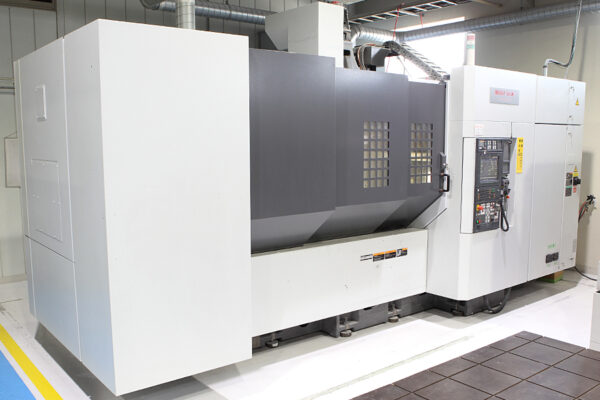
DMG森精機 - VS1000/40/2050
X軸:2,050mm(ストローク) / Y軸:1,000mm / Z軸:600mm / テーブル作業面:2,250×1,000mm
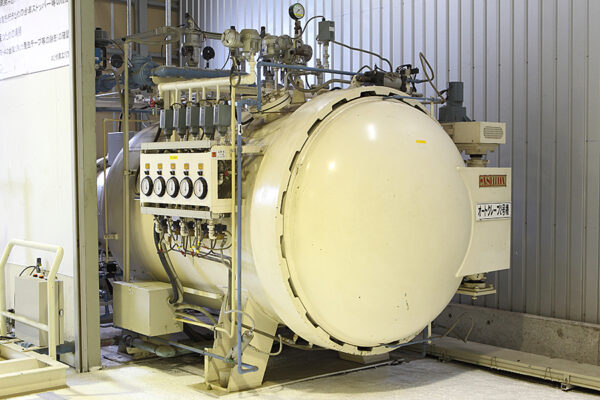
ASHIDA MFG Co., Ltd.
Autoclave Oven 2
Size : Ø1,150x1,000mm / Operating temperature : at normal temperature - 400℃ / Design pressure : 2.0Mpa (maximum working pressure) / Vacuum system : back suction system / Vacuum units : 5
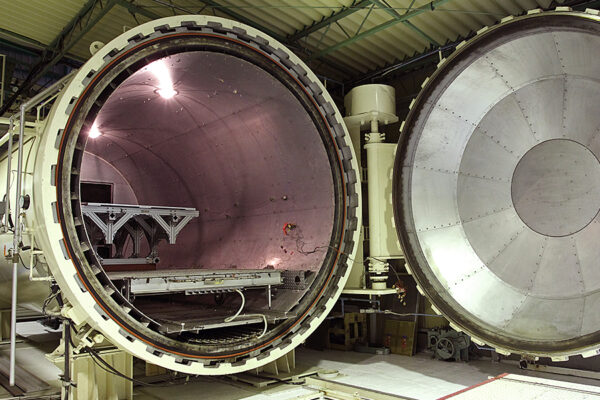
ASHIDA MFG Co., Ltd.
Autoclave Oven 3
Size : Ø3,000x6,000mm / Operating temperature : at normal temperature - 200℃ / Distribution accuracy : ±2.5℃less / Heating rate : 4.0℃/min. (empty furnace) / Cooling rate : 4.0℃/min. (empty furnace) / Design pressure : 0.99Mpa (maximum working pressure) / Working pressure : 0.7Mpa less (if no specification from the manufacuturer 0.3Mpa around) / Pressure accuracy : ±0.02Mpa(for pressure setting of 0 - 0.99Mpa/cm²) / Boost pressure accuracy : 0 - 0.03Mpa/min / Pressure source : compressed air (regular use) / Vacuum system : back suction system / Vacuum units : 10
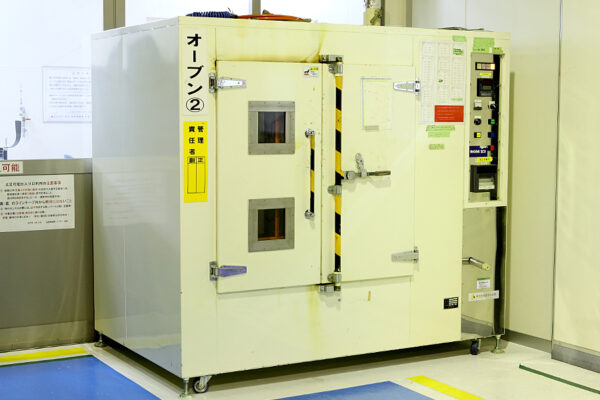
Oven
Size : W1,000xH1,000xD1,000mm / Temperature range : Environmental Temperature +20 - 300℃ / Temperature elevation capability : Environmental Temperature (20 - 40℃) - 300℃ / 45min less / Vacuum system : back suction system / Vacuum units : 10
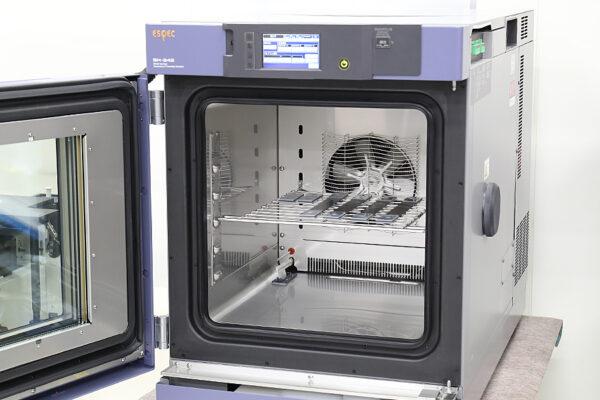
ESPEC CORP.
Temperature & Humidity Chamber
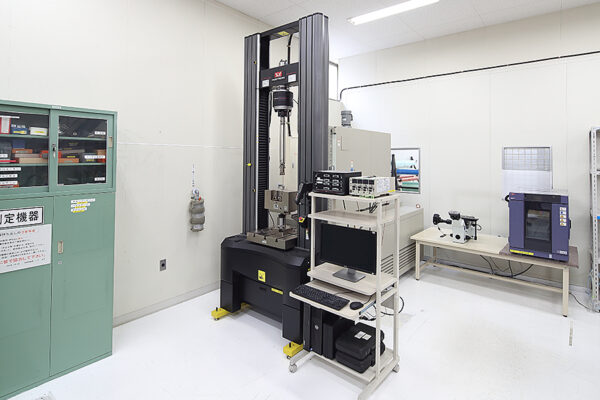
INSTRON
Static Universal Testing Machine 5985
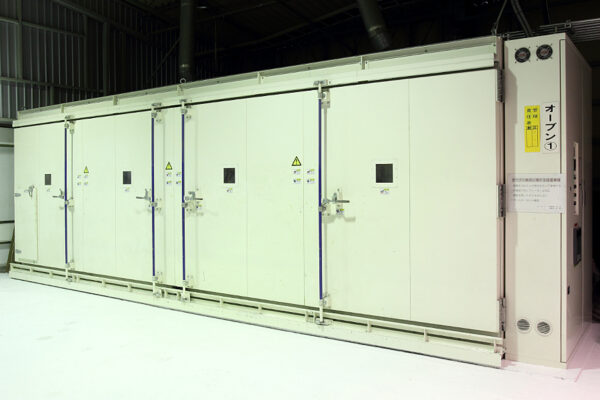
Oven
Size : W7,000xH3,000xD2,000mm / Temperature range : Environmental Temperature +20 - 300℃ (Max) / Temperature elevation capability : Environmental Temperature (20 - 40℃) - 300℃ / 60min less / Vacuum system : back suction system / Vacuum units : 10
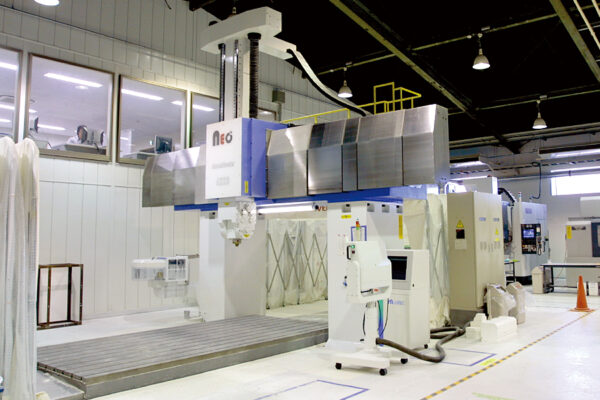
NEO
X axis : 4,000mm (stroke) / Y axis : 2,000mm / Z axis : 1,200mm / C axis : 0° - ±270° / B axis : 0° - ±110° / Table working place : 4,000x2,000mm
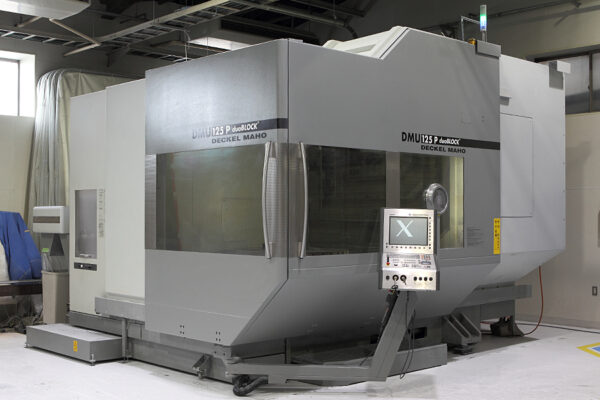
【開発】
3Dプリンター | Markforged
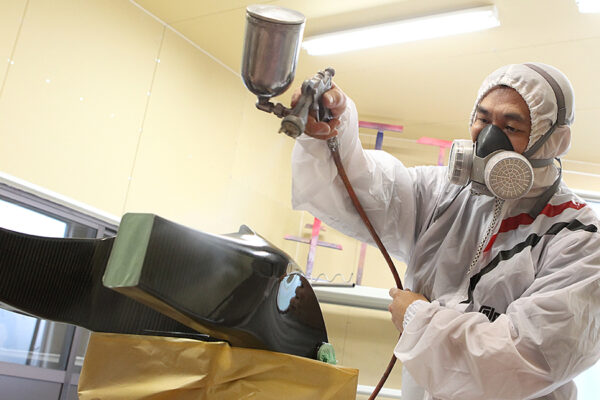
Painting booth
Various painting, and clear finish is done in dedicated painting booth
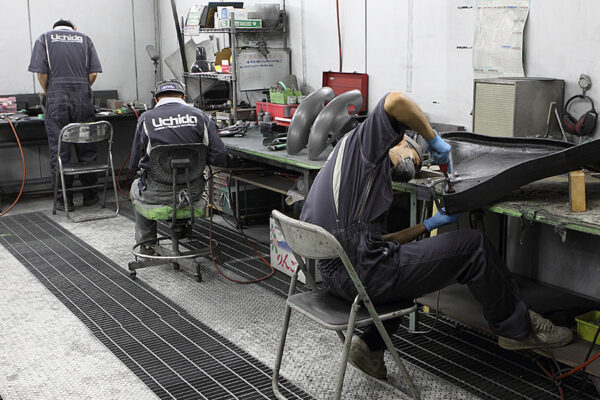
Adhesion, Finishing, Coating Room
Finishing process, such as trimming, drilling, and bonding, surface treatment of the molded product type and is done in a private booth
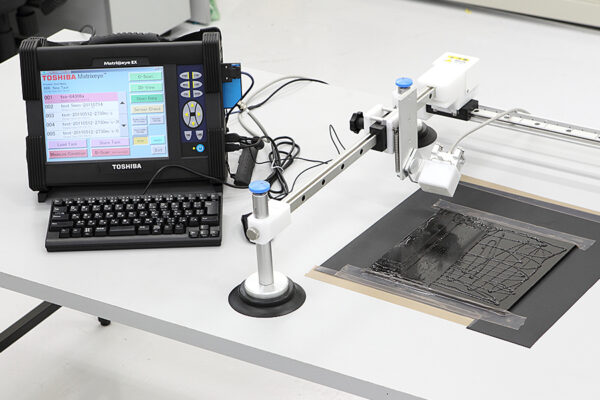
Toshiba Matrixeye EX (Ultrasonic flaw detector)
Matrix-Arrey : 32
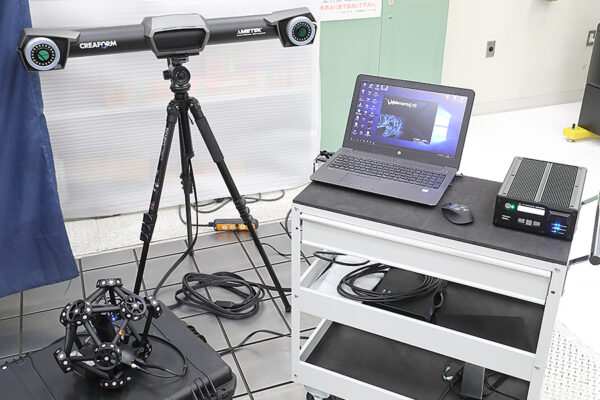
AMETEK CREAFORM Metra
SCAN750 Elite (3D scan)
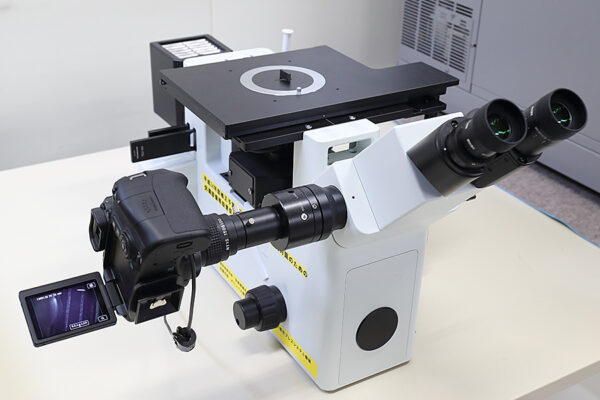
Olympus Corp.
Inverted Microscopes
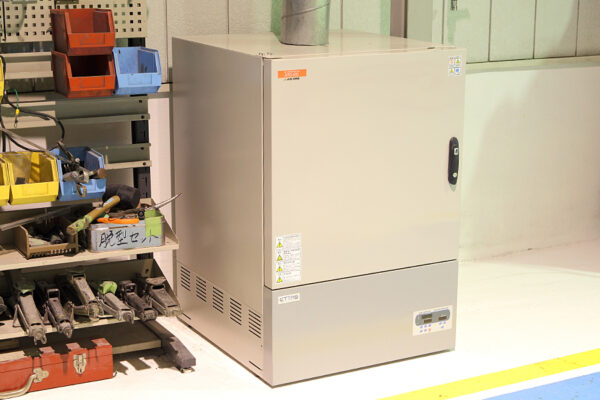
Oven
Size : W450xH450xD450mm / Temperature range : Environmental Temperature +20 - 650℃ / Temperature elevation capability : Environmental Temperature+50 - 650℃/120min less
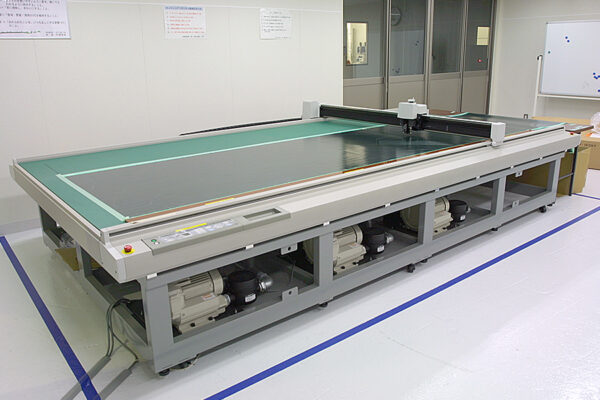
Cutting Plotter Table working place : W1,500xL3,500mm
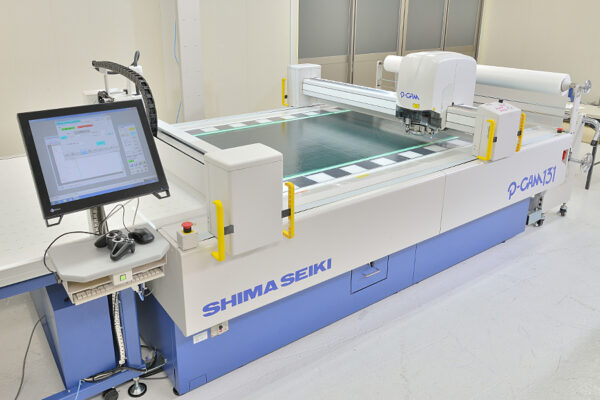
SHIMA SEIKI MFG., LTD
Cutting Plotter
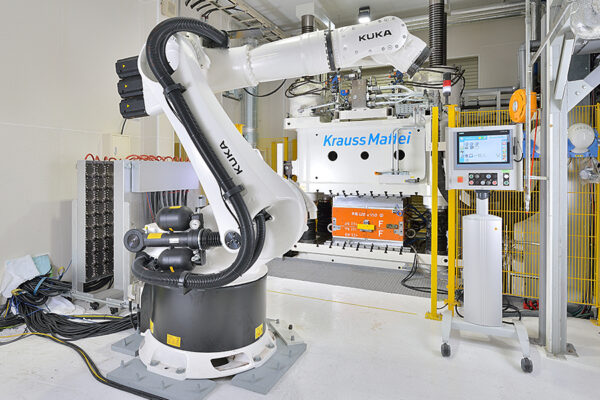
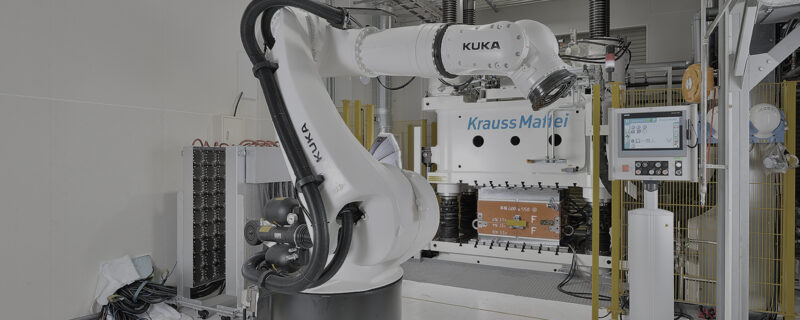
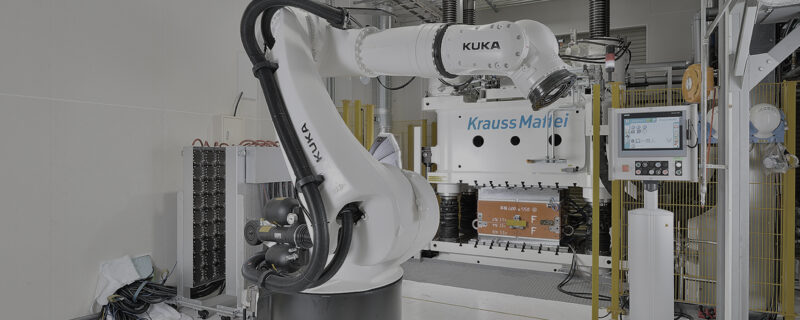
KUKA
Robot
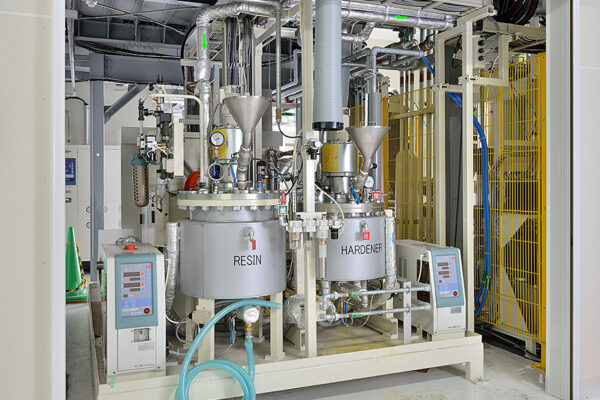
Krauss Maffei
Epoxy resin injection machine Resin 60L / Hardener 25L
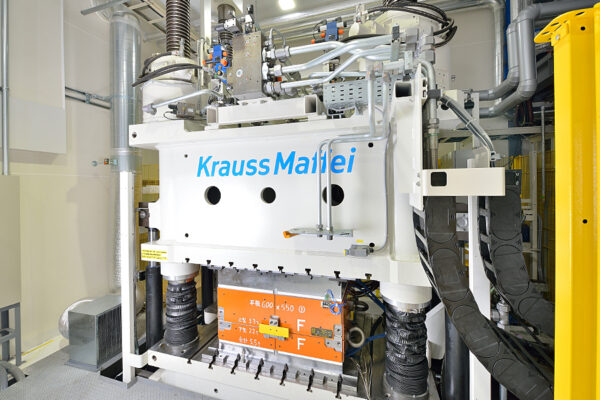
Krauss Maffei
630t Press machine Height total 5,200mm / Length max 1,500mm / Width max 1,200mm / Whole cycle time per component part 240sec
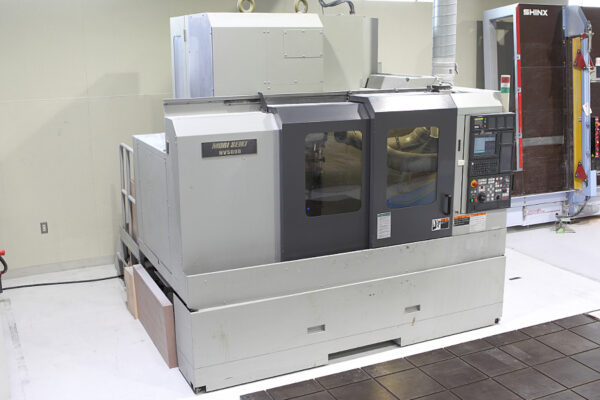
DMG森精機 - NV5000B/40
X軸:1,020mm(ストローク) / Y軸:510mm / Z軸:510mm / テーブル作業面:1,320×600mm
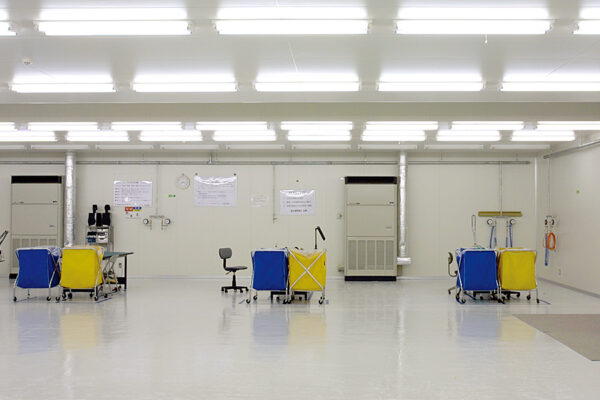
Big sized clean room
JIS B 9920 cleanliness class maximum concentration (Pcs/m³) / Class 5 : 100,000m³ / Capacity : m² (16,000x16,000mm) 760m² (16,000x16,000x3,000mm) / Temperature and humidity condition : Temperature : 23℃±3℃, Humidity 65% less / Ambient conditions : Temperature 35℃ during summer, Humidity 70% less / Ambient conditions : Temperature 35℃ during summer, Humidity 70% less / Temperature -5℃ during winter, Humidity 40% less
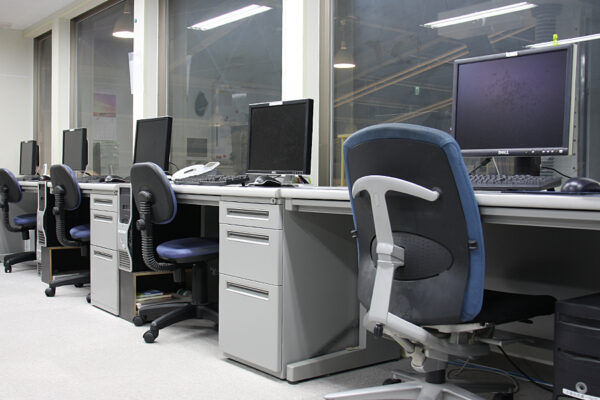
CAD / CAM
CATIA V5 : 2 / THINK DESIGN : 1 / MASTER CAM : 4 / Other 3D/CAD : 3 / Other 2D/CAD : 5
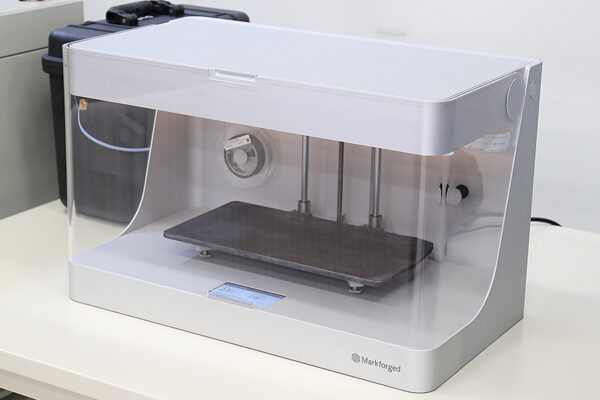
Markforged - 3D Printer
Video Library
In the following video, we provide a detailed overview of our manufacturing process. Please feel free to watch and learn more.
Contact us