Introduction
CFRP (carbon fiber reinforced plastic) is widely used across industries—from aerospace and automotive manufacturing to sporting equipment—because of its outstanding strength-to-weight performance. However, tapping (thread cutting) processes in CFRP present significant challenges due to the material’s hardness and susceptibility to brittle cracking.
This column outlines the key challenges in CFRP tapping and introduces practical countermeasures to address them.
Challenges in CFRP Tapping
The following issues commonly arise in CFRP tapping:
– Rapid Tool Wear: The presence of hard carbon fibers causes taps designed for general metals to wear quickly, reducing tool life.
– Burr Formation and Delamination: Fiber orientation can induce burrs (fluffing) and delamination, compromising the integrity of the material.
– Excess Cutting Heat: The relatively low thermal conductivity of CFRP promotes heat accumulation near the cutting zone and accelerates tool deterioration.
– Difficulty in Chip Evacuation: Unlike metals, CFRP does not deform plastically. Instead, it generates fine and powdery chips (fiber-matrix fragments) that are difficult to evacuate from machined interfaces.
Countermeasures for CFRP Tapping Challenges
In CFRP tapping, selecting the appropriate tools and optimizing the machining conditions are essential.
Tool selection
• PCD (polycrystalline diamond) Taps
– Provide exceptional hardness and superior wear resistance optimized for CFRP tapping.
– Maintain sharp cutting edges, thereby suppressing burr formation and delamination.
• Carbide Taps:
– Offer elevated hardness and improved durability compared with conventional taps.
– Reduce tooling costs relative to PCD taps, supporting a wide range of applications.
• Coated Taps:
Utilize advanced surface coatings such as DLC (diamond-like carbon) or TiAlN (titanium aluminum nitride) for significantly enhanced wear resistance and extended tool life.
Optimize Machining Conditions
• Low Rotational Speed and High Feed Rate:
– – Operating at low rotational speeds minimizes excess heat generation and extends tool life.
– Because CFRP is not plastically deformed, it can be efficiently machined at higher feed rates while maintaining thread quality.
• Dry Machining (recommended):
– Eliminates the use cutting oils which contribute CFRP degradation through moisture absorption, making it the preferred method.
– When required, air blow or minimum quantity lubrication (MQL) processes can be applied to reduce thermal effects without excessive exposure to cutting oils and fluids.
• Optimized Pre-hole Design:
– Selecting the appropriate pre-hole diameter lowers tapping torque (load) and minimizes tool wear.
– Limiting the thread depth will help prevent delamination.
Alternative Methods for CFRP Tapping
As CFRP tapping processes present inherent technical challenges, the following alternative methods may be considered:
• Embedded Inserts (threads and nuts):
– Embedding or laminating metal inserts into the composite matrix to achieve structural or mechanical fastening without tapping.
– Offer high load-bearing capacity and is suitable for repeated tightening.
• Adhesive Bonding:
– Employing structural adhesives to fix bolts and nuts, thereby eliminating tapping.
– Adhesive technology is widely employed in aerospace and aircraft components and assemblies.
Summary
Tapping of CFRP requires a high level of technical control due to inherent challenges such as rapid tool wear and delamination. These issues can be mitigated through proper tool selection appropriate tools and optimized machining conditions. In addition, alternative methods—such as embedding insert nuts or adhesive bonding—provide effective solutions where tapping is not viable. Selecting the most appropriate machining or fastening method while effectively leveraging the characteristics of CFRP is essential for ensuring structural integrity and consistent threading quality.
Related useful contents
You can explore related content by clicking on a topic of interest.
ABOUT UCHIDA - 55 years since our founding
We leverage a wealth of technical expertise as a CFRP molding and processing manufacturer using FRP, GFRP, and CFRP materials. We offer a one-stop solution, encompassing design, analysis, manufacturing, secondary processing, assembly, painting, quality assurance, and testing.
UCHIDA's equipment
We have cutting-edge equipment to ensure that we can address even the most advanced challenges of our customers.
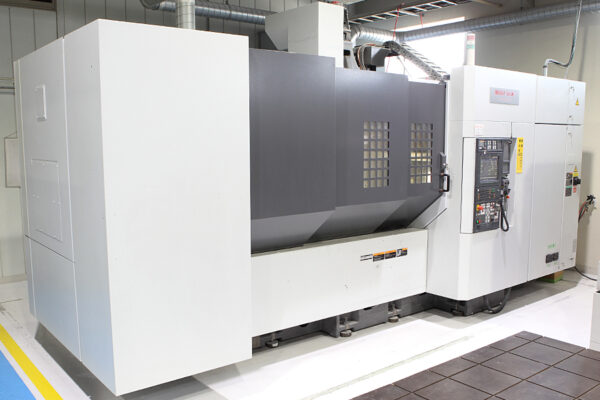
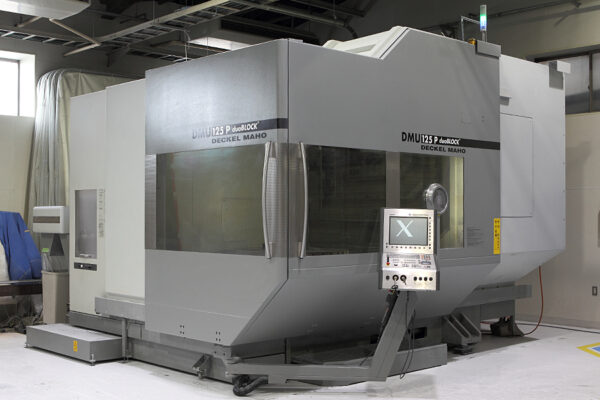
DMG森精機 - VS1000/40/2050
X軸:2,050mm(ストローク) / Y軸:1,000mm / Z軸:600mm / テーブル作業面:2,250×1,000mm
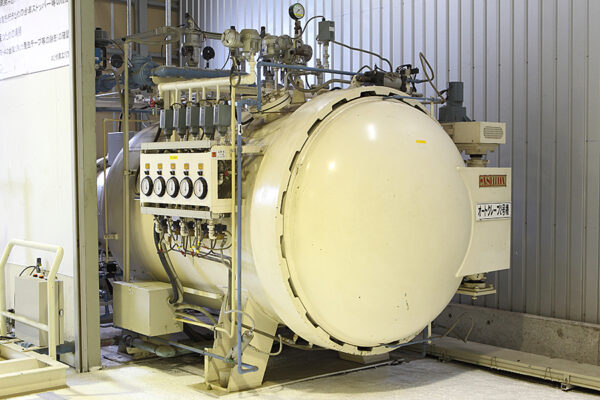
ASHIDA MFG Co., Ltd.
Autoclave Oven 2
Size : Ø1,150x1,000mm / Operating temperature : at normal temperature - 400℃ / Design pressure : 2.0Mpa (maximum working pressure) / Vacuum system : back suction system / Vacuum units : 5
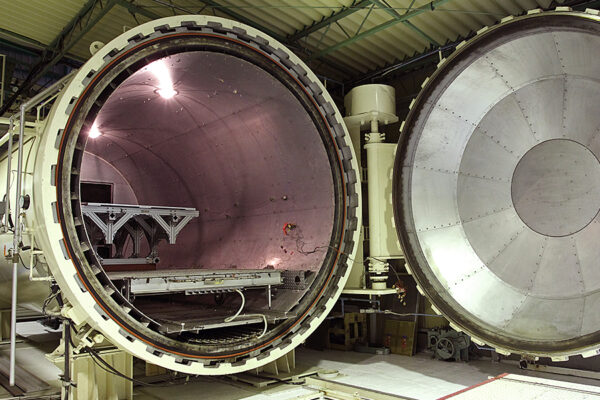
ASHIDA MFG Co., Ltd.
Autoclave Oven 3
Size : Ø3,000x6,000mm / Operating temperature : at normal temperature - 200℃ / Distribution accuracy : ±2.5℃less / Heating rate : 4.0℃/min. (empty furnace) / Cooling rate : 4.0℃/min. (empty furnace) / Design pressure : 0.99Mpa (maximum working pressure) / Working pressure : 0.7Mpa less (if no specification from the manufacuturer 0.3Mpa around) / Pressure accuracy : ±0.02Mpa(for pressure setting of 0 - 0.99Mpa/cm²) / Boost pressure accuracy : 0 - 0.03Mpa/min / Pressure source : compressed air (regular use) / Vacuum system : back suction system / Vacuum units : 10
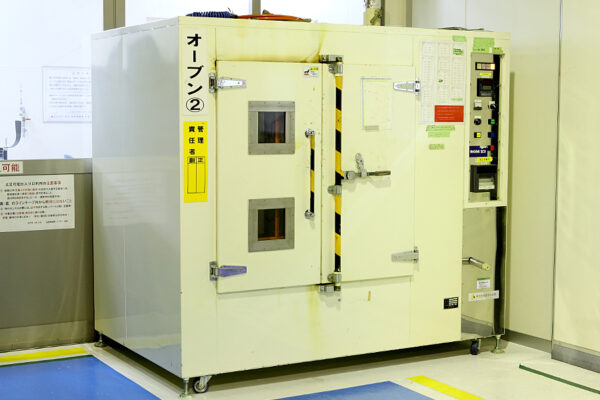
Oven
Size : W1,000xH1,000xD1,000mm / Temperature range : Environmental Temperature +20 - 300℃ / Temperature elevation capability : Environmental Temperature (20 - 40℃) - 300℃ / 45min less / Vacuum system : back suction system / Vacuum units : 10
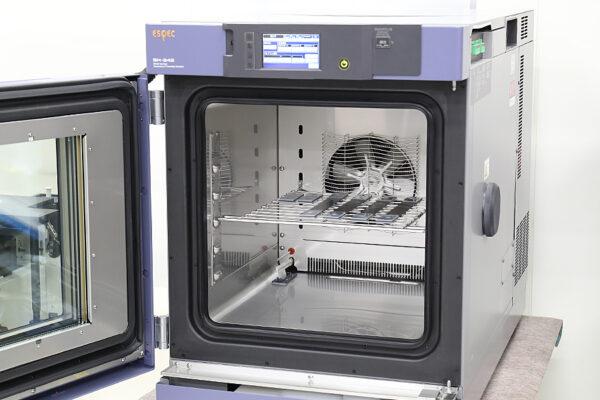
ESPEC CORP.
Temperature & Humidity Chamber
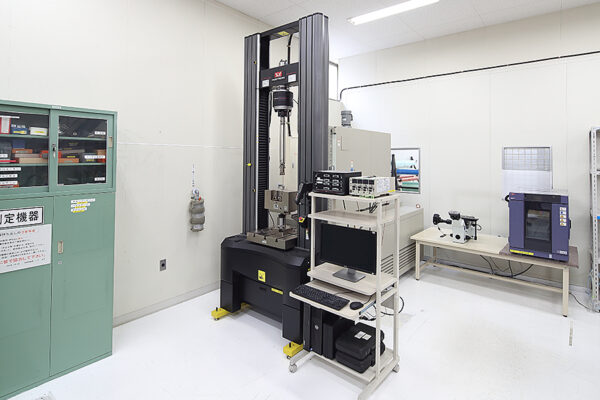
INSTRON
Static Universal Testing Machine 5985
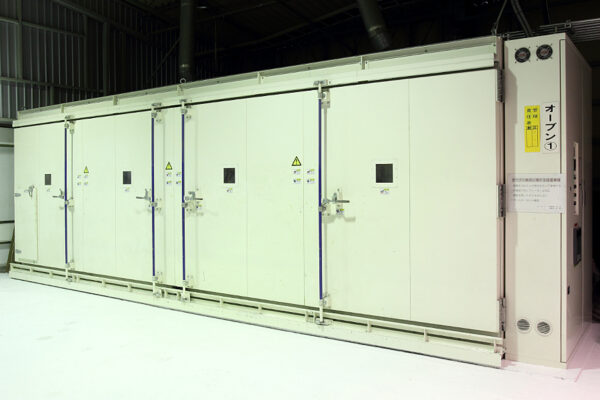
Oven
Size : W7,000xH3,000xD2,000mm / Temperature range : Environmental Temperature +20 - 300℃ (Max) / Temperature elevation capability : Environmental Temperature (20 - 40℃) - 300℃ / 60min less / Vacuum system : back suction system / Vacuum units : 10
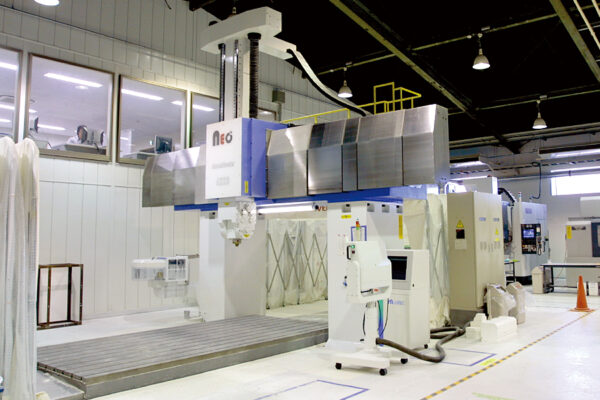
NEO
X axis : 4,000mm (stroke) / Y axis : 2,000mm / Z axis : 1,200mm / C axis : 0° - ±270° / B axis : 0° - ±110° / Table working place : 4,000x2,000mm
【開発】
3Dプリンター | Markforged
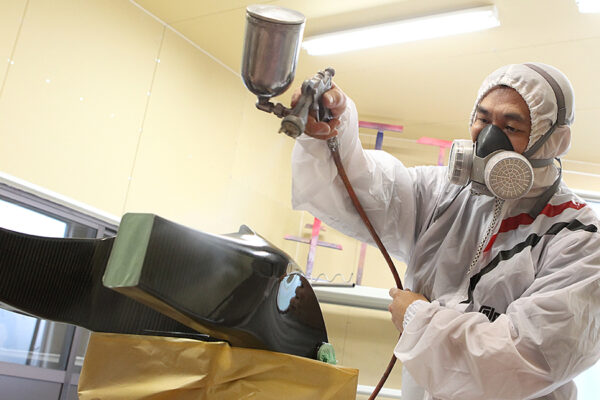
Painting booth
Various painting, and clear finish is done in dedicated painting booth
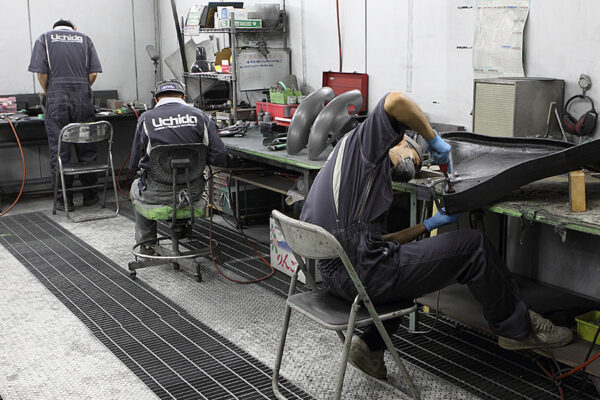
Adhesion, Finishing, Coating Room
Finishing process, such as trimming, drilling, and bonding, surface treatment of the molded product type and is done in a private booth
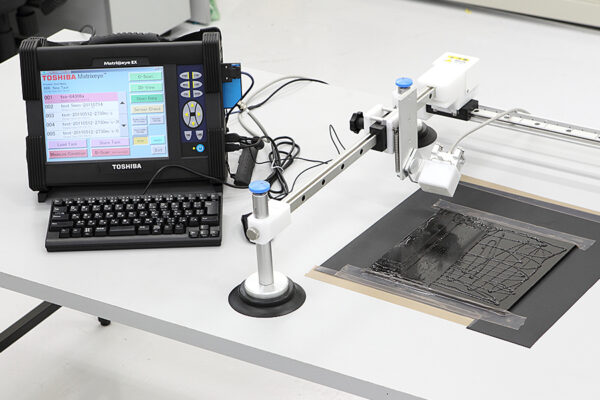
Toshiba Matrixeye EX (Ultrasonic flaw detector)
Matrix-Arrey : 32
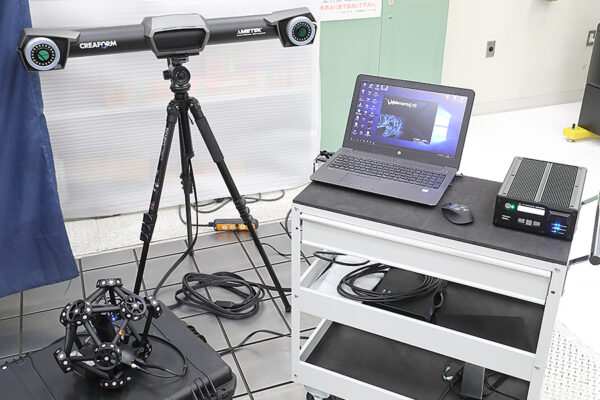
AMETEK CREAFORM Metra
SCAN750 Elite (3D scan)
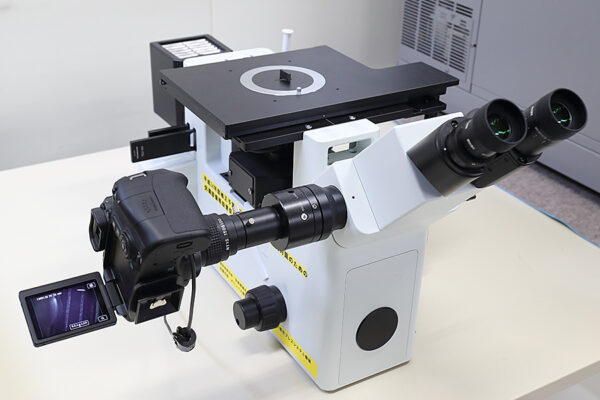
Olympus Corp.
Inverted Microscopes
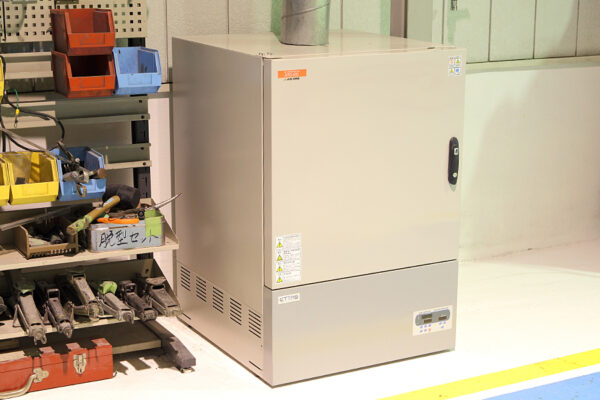
Oven
Size : W450xH450xD450mm / Temperature range : Environmental Temperature +20 - 650℃ / Temperature elevation capability : Environmental Temperature+50 - 650℃/120min less
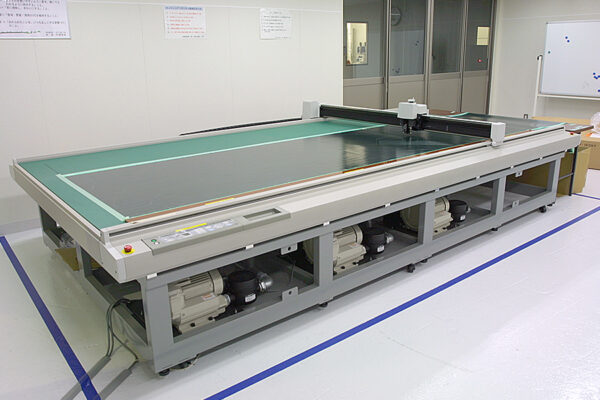
Cutting Plotter Table working place : W1,500xL3,500mm
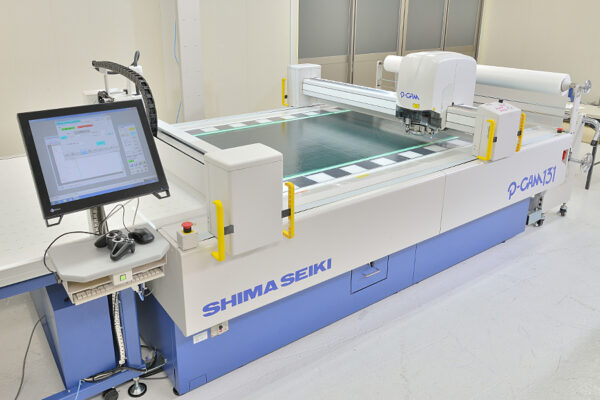
SHIMA SEIKI MFG., LTD
Cutting Plotter
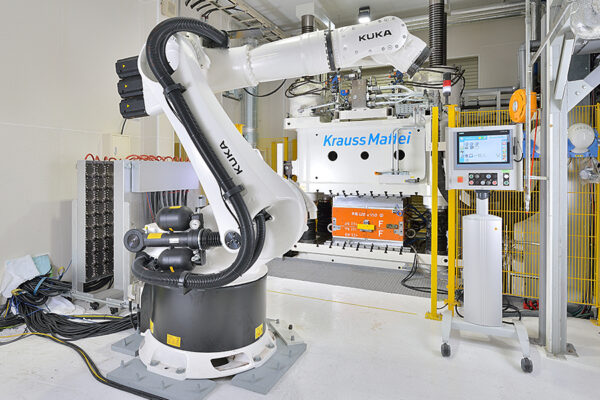
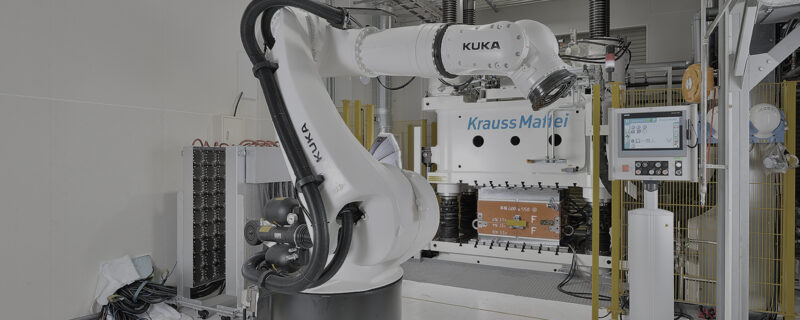
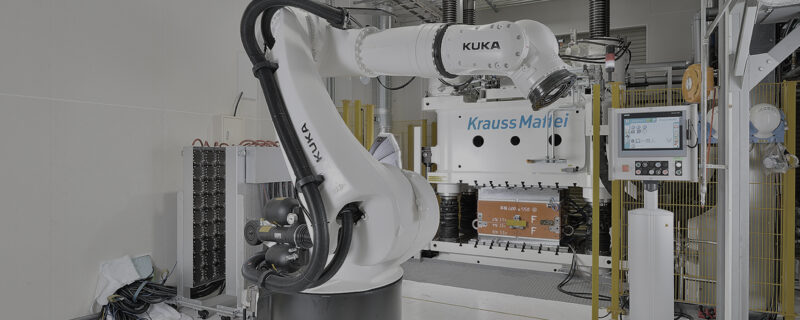
KUKA
Robot
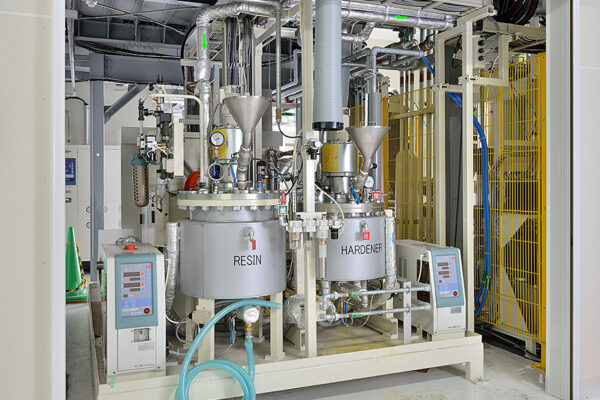
Krauss Maffei
Epoxy resin injection machine Resin 60L / Hardener 25L
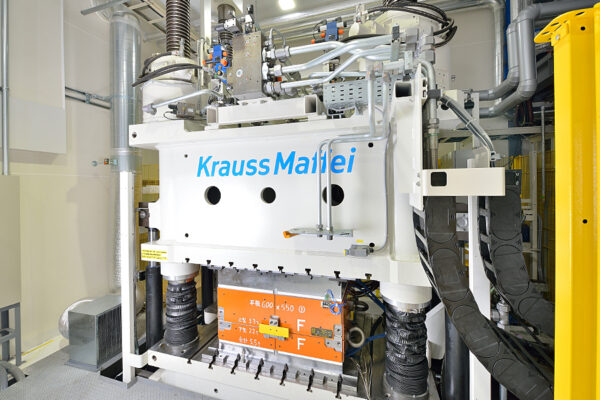
Krauss Maffei
630t Press machine Height total 5,200mm / Length max 1,500mm / Width max 1,200mm / Whole cycle time per component part 240sec
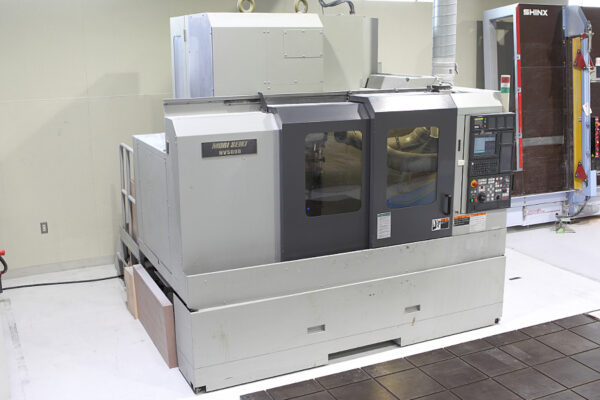
DMG森精機 - NV5000B/40
X軸:1,020mm(ストローク) / Y軸:510mm / Z軸:510mm / テーブル作業面:1,320×600mm
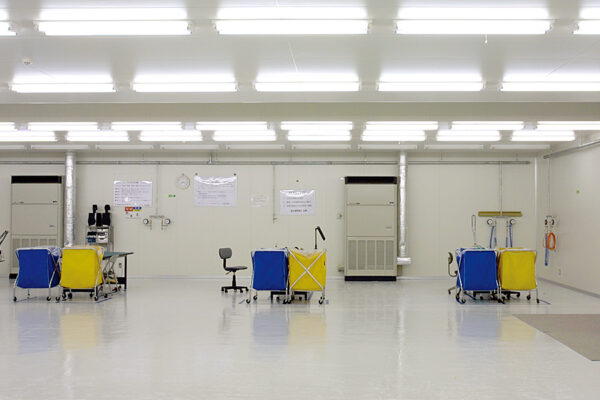
Big sized clean room
JIS B 9920 cleanliness class maximum concentration (Pcs/m³) / Class 5 : 100,000m³ / Capacity : m² (16,000x16,000mm) 760m² (16,000x16,000x3,000mm) / Temperature and humidity condition : Temperature : 23℃±3℃, Humidity 65% less / Ambient conditions : Temperature 35℃ during summer, Humidity 70% less / Ambient conditions : Temperature 35℃ during summer, Humidity 70% less / Temperature -5℃ during winter, Humidity 40% less
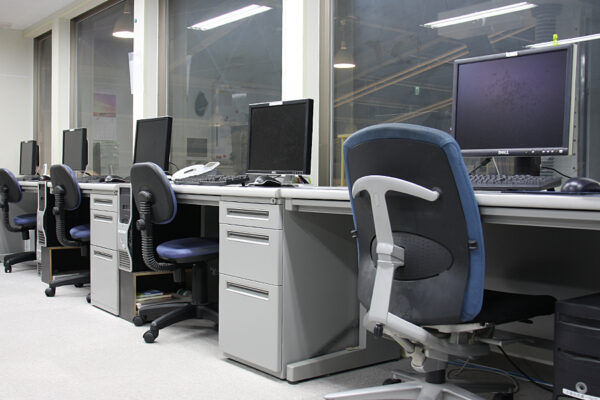
CAD / CAM
CATIA V5 : 2 / THINK DESIGN : 1 / MASTER CAM : 4 / Other 3D/CAD : 3 / Other 2D/CAD : 5
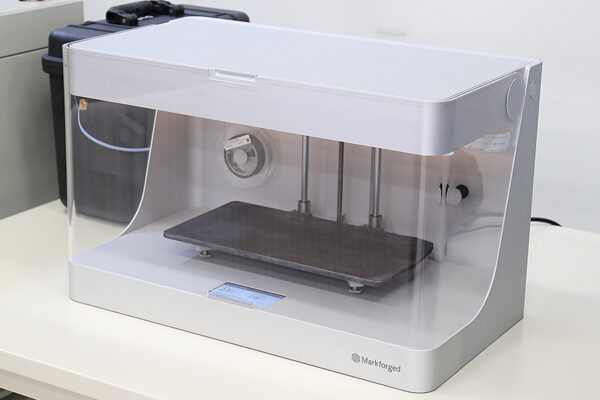
Markforged - 3D Printer
Video Library
In the following video, we provide a detailed overview of our manufacturing process. Please feel free to watch and learn more.
Contact us